

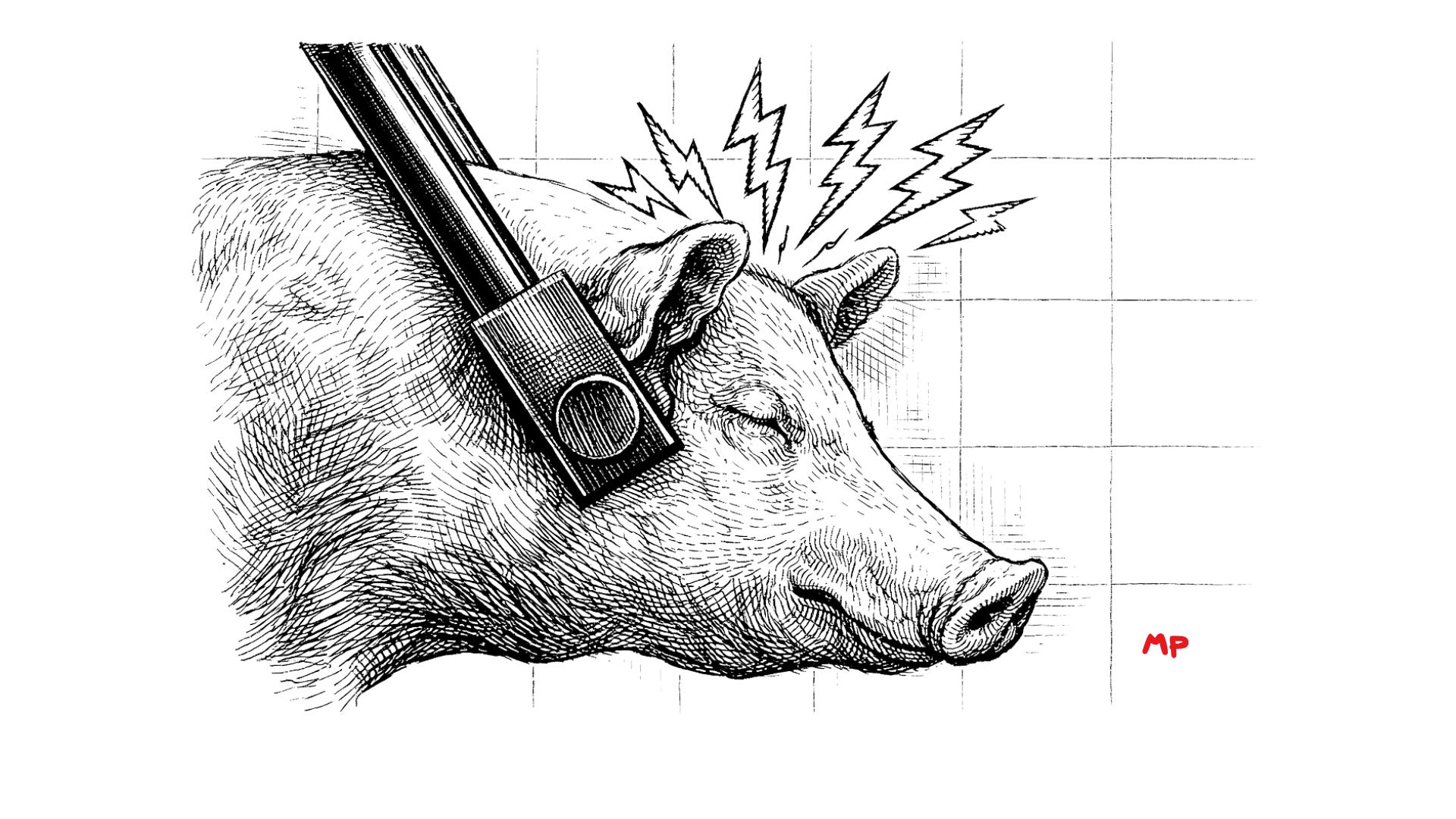
In a past episode of the podcast, we spoke with Dr. Kurt Vogel, an animal welfare scientist at the University of Wisconsin–River Falls, about one of the most important steps in meat processing: stunning animals before slaughter.
Stunning is essential because it ensures that animals lose consciousness before bleeding, preventing unnecessary suffering in the final moments of life. But its importance goes beyond ethics. As Dr. Vogel explains, effective stunning also improves worker safety, processing efficiency, and meat quality.
This principle is reflected in the Humane Slaughter Act, originally passed in 1958 in the United States. The law emphasizes four key goals of proper stunning:
Preventing unnecessary animal suffering
Improving the efficiency of slaughter operations
Protecting workers
Maintaining product quality

Main Stunning Methods
During the conversation, we discussed the three primary stunning methods used in meat processing today.
Mechanical stunning (such as captive bolt or gunshot) is commonly used in cattle. It is fast and effective, but it can cause strong involuntary muscle movements after the stun. These movements can make handling more difficult and may damage the carcass.
Electrical stunning works by passing an electrical current through the brain to immediately render the animal unconscious. In some systems, a second current is applied through the body to affect the heart as well. This approach can provide a longer window to properly bleed the animal before consciousness could return.
CO₂ stunning, often used in pigs and poultry, exposes animals to high concentrations of carbon dioxide gas. This method can improve meat quality by reducing carcass damage and blood splash, though researchers continue studying how animals experience the gas during the process.
A Practical Challenge in Small Plants
One of the research questions Dr. Vogel explored involved pigs regaining consciousness during bleeding in small slaughter plants that used electrical head-only stunning.
To address this, researchers tested a method called head-to-heart stunning. After the initial head stun renders the animal unconscious, a second electrical stun is applied near the heart. This disrupts the heart’s rhythm and gives workers more time to safely shackle and bleed the animal.
In their validation study, the method successfully disrupted the heartbeat in over 80% of pigs, helping reduce the risk of animals regaining consciousness during the process.
The Human Side of the Process
One point Dr. Vogel emphasized is that slaughter is not only about animals—it also affects the people doing the work.
When stunning systems fail or are poorly designed, it can be stressful for workers who care about doing the job correctly and humanely. Effective systems help ensure the process is predictable, humane, and easier for employees to perform consistently.
This episode highlighted an important reality: humane slaughter depends on good science, proper equipment, and well-trained people. When those pieces come together, the result is better animal welfare, safer workplaces, and higher-quality food production.